
Coastal camping combines time outdoors with the chance to explore the shoreline at an unhurried pace. A little preparation makes it easier to enjoy the setting, whether you're planning your first overnight stay or returning to a favorite campground.
Choose a designated coastal campsite
Start with an established campground that permits your type of tent or vehicle. Check reservations, site dimensions, access, toilets, drinking water, and any restrictions before booking. An ocean view doesn't mean the beach itself is open for camping. Use only the site assigned or approved by the campground operator.
Check conditions before departure
Review the local forecast, campground notices, road access, and any coastal warnings. Ask the operator about site conditions and emergency procedures. Tide predictions can help you plan shoreline visits, but they aren't a substitute for campsite guidance or current warnings. Be prepared to postpone or change plans when conditions call for it.
Pack for wind, damp air, and cooler evenings
Bring a tent and securing equipment suited to the expected conditions, and set up according to the manufacturer's instructions and site rules. Include a sleeping bag, sleeping mat, suitable layers, rain protection, and comfortable footwear. Check your equipment at home so missing parts don't become a surprise at camp.
If you're adding a personal towel to your camping kit, explore our Microfiber Quick Dry Travel Towel. Check the listed size and care instructions to decide whether it suits your trip.
Keep everyday essentials accessible
- Drinking water and a confirmed refill plan
- Meals, snacks, and food-storage supplies required by the campground
- Sun protection and insect repellent used according to their directions
- A torch or headlamp with spare power
- Personal medications, first-aid supplies, and emergency contact information
- Reusable tableware and bags for rubbish and items that need washing
Confirm cooking and fire arrangements
Check current rules for campfires, stoves, fuel, and cooking equipment directly with the campground or land manager. Don't assume an existing fire ring means fires are permitted. Follow restrictions and equipment directions, and keep a meal option that doesn't depend on a campfire. Use campground-approved food storage and waste facilities.
Plan simple shoreline activities
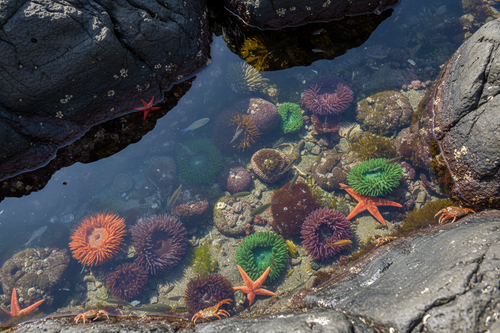
A short walk, sketching session, or wildlife-watching stop can be enough. Choose open routes suited to your group and follow posted guidance. Stay well back from surf and cliff edges, supervise children, and observe wildlife from a respectful distance. Leave shells, plants, driftwood, and tide-pool creatures where you find them.
Leave your campsite ready for the next visitor
Pack out belongings and litter, including small food scraps and packaging. Follow the campground's instructions for wastewater and recycling. Before departing, check around the tent area, table, and parking space for anything left behind.
A coastal camping trip doesn't need a packed itinerary. Choose a suitable site, prepare for the conditions, and leave time to enjoy the view from a place where camping is welcome.