
A seaside tradition does not need a special occasion, a matching outfit, or a whole day at the beach. It can be one small thing you choose to return to: a drawing, a question, or a familiar snack after an outing. Repetition gives it a recognizable shape. It does not have to make every visit unforgettable.
The most workable traditions leave room for different budgets, access needs, weather, and moods. Here are a few ways to build that flexibility in from the beginning, without turning a coastal visit into another task to complete.
Choose a small action, not a perfect setting
“We draw one thing we noticed” is easier to adapt than “we always watch the sunset from the same beach.” A drawing can happen at a picnic table, back at home, or another day. A fixed place and time may not suit your group on the next visit.
Start with something that takes only a few minutes and uses what you already have. You could ask one familiar question before heading home, make a quick sketch, or choose a word for the day. Try one idea before adding more.
For help leaving space around that small ritual, read Choosing Experience Over Itineraries.
Try a shared coastal notebook
A notebook can hold a collection without taking anything from the shore. Use an existing notebook or a few sheets kept together. Each person who wants to participate can add something in their own way.
- A small child might choose a color or dictate a few words to an adult.
- Someone who likes drawing could sketch a shape or a view.
- Another person might record a question to look up later.
- A participant who would rather watch or listen can leave the page blank.
You do not need polished artwork or an entry from everyone. Add the date if it is useful, but avoid turning the notebook into proof of how often you get outdoors. One page can stand on its own.
Give a familiar question more than one answer
“What did you notice?” is a simple question to bring back each time. It leaves room for a bird, a building, a bus ride, or something that was difficult. There is no required grateful or cheerful answer.
If that question feels too broad, offer a choice: “Would you like to tell me about a sound or a color?” Allow time, and let a shrug be an answer too. The tradition is the invitation, not the performance that follows.
Adults can join in without correcting every observation. If someone wonders what an animal was, write down the question rather than turning a guess into a fact.
Let the ending be familiar
Sometimes the easiest part to repeat comes after the coast: sharing the snack you brought, looking at one photograph together, or choosing a page to add to the notebook at home. This can work even when the visit itself was brief or the original plan changed.
Keep food, travel, and any spending within a plan that already suits your household. A tradition should not depend on an extra purchase. If a favorite café is closed or too expensive this time, the familiar part can be sitting together rather than ordering the same thing.
Make a version that works away from the sea
Travel costs, distance, access, and energy can keep a coastal visit out of reach. A tradition does not have to stop until the next trip. Try sketching from an earlier photograph, reading a library book about a coastal place, or revisiting an unanswered notebook question.
Keep those activities honest about what they are. Looking at a photograph is not the same experience as being there, but it can still be a worthwhile way to spend a little time together. It does not need to replace or imitate a whole outing.
Keep the ritual flexible, not the boundaries
A familiar visit still needs fresh planning. Check current official information about conditions, access, closures, facilities, and local rules before going. A tradition is not a reason to stay when a plan no longer suits the conditions or your group.
Choose ways of remembering that do not require taking shells, plants, or other finds. A sketch, a written description, or a photograph taken from a permitted place can become the keepsake instead. Follow site rules and leave wildlife undisturbed.
Teaching Environmental Respect Through Exploration offers more ideas for making care for a place part of a family outing.
Let people change their minds
A tradition that once suited everyone may stop fitting. Children grow, interests shift, and familiar activities can become tiring. Ask occasionally whether people still want to do it, would like a different version, or would rather stop.
You can keep an old notebook without committing to another entry. You can miss a year without making up for it. The history does not disappear because the ritual changes.
A simple place to begin
Choose one small invitation for your next suitable outing: “Would anyone like to add something to our notebook afterward?” Bring what you already own, keep participation optional, and decide later whether it is worth repeating.
Meaningful traditions do not need to become legendary. They only need to remain worth choosing.
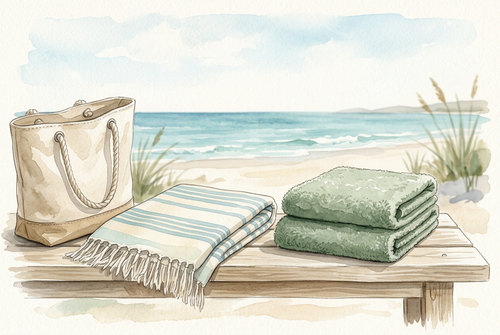
The featured watercolor is an illustration of a shared coastal notebook activity, not a photograph of a particular family or location.