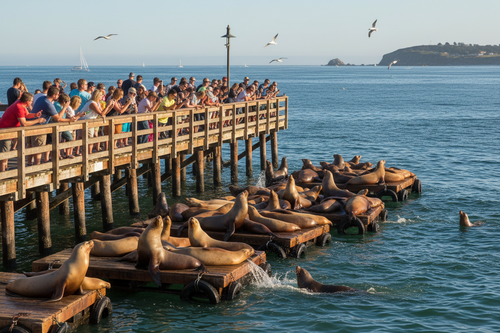

Weather, wind, and water are useful reminders that an outdoor plan needs room to change. Preparedness isn't about predicting every surprise or having equipment for every possibility. It starts with choosing a suitable outing, checking reliable information, and being willing to postpone when conditions don't fit your plans or your group.
Start with the place and activity
A short coastal walk, a campground stay, and a boat trip call for different preparation. Check the route, access, facilities, and requirements for your specific activity. Ask the land manager or qualified activity provider about anything you don't understand rather than treating a general packing list as a complete plan.
Check current forecasts and official notices
Look at the forecast for the location and time of your outing, along with official alerts, closures, and guidance from the site manager. Review the information again before leaving. A forecast isn't a guarantee, and a clear view from your window doesn't establish conditions at your destination.
Include coastal conditions in the plan
For shoreline visits, check local tide information, coastal warnings, and posted access guidance. Tide predictions alone don't establish whether a beach or route is suitable. Choose designated paths and viewpoints, respect barriers and closures, and stay well back from surf and cliff edges. Don't approach rough water to get a better look or photograph.
Pack around the outing, not a generic promise
Bring suitable layers, rain protection, footwear, drinking water, food, personal medications, and other essentials appropriate to your route and group. Keep navigation, communication, and emergency information accessible, and understand how to use the equipment you bring. Check what your accommodation or provider supplies before packing duplicates. No item or kit guarantees safety.
Agree on alternatives before setting out
Choose another activity or a shorter route that can work if the original plan no longer suits the conditions. Discuss the change with your companions and make sure everyone can speak up about comfort, fatigue, or concerns. A closed route or an official warning is a reason to change plans, not a challenge to work around.
Keep useful information available
Share your outing plan with someone appropriate and keep important contacts available. Save route information for offline access when useful, while continuing to follow current signs and official instructions. A phone can support preparation, but don't assume you'll have reception or unlimited battery power throughout the outing.
Give children manageable roles
Children can help check hats, count water bottles, or notice whether their layers are packed. Explain changes in simple terms and show that postponing can be a thoughtful choice. Adults remain responsible for essential checks, planning, and supervision; preparation shouldn't become a test of a child's independence.
Learn from the day without keeping score
Afterward, note what you used, what was missing, and what you'd do differently. A simple notebook can help you refine your next plan without turning every outing into a project. Remember that a trip you shortened or postponed can still be an example of good judgment.
The point of preparedness is not to prove you can handle every condition. It's to make considered choices, use current local guidance, and leave room to choose a different day.