
A book circle can begin with a few friends and a question: would you like to talk about something we have read? It does not need a committee, a catered lunch, or the promise that everyone will finish a novel every month.
Add a coastal setting when it works for your group, and keep the conversation more important than the backdrop. This is a guide to starting your own small circle, not an announcement of a Mermaid Quake event or an existing club schedule.
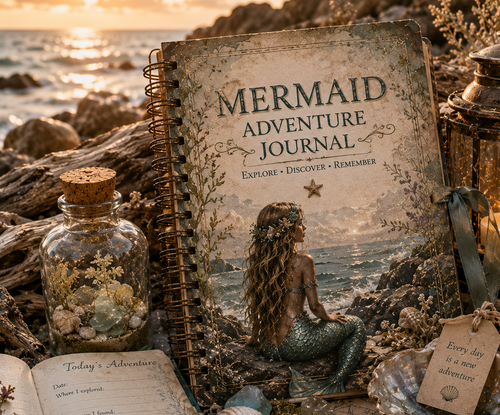
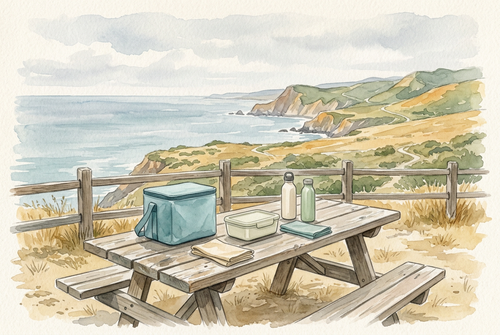
Image note: The featured image is AI-generated conceptual artwork. It does not document a real Mermaid Quake gathering, actual attendees, or a verified meeting location.
Your first gathering at a glance
- Suggested group: Three to six adults for a first conversation. This is an illustrative starting point, not a venue rule.
- Suggested duration: 45–75 minutes, plus travel. Agree on an approximate finish before meeting.
- Where: A permitted California coastal seating area that suits the group, or an agreed indoor or online alternative.
- Budget: Discuss reading costs, transport, parking, entry, and optional refreshments. No new book purchase should be assumed.
- Bring: Your reading notes or book if useful, personal essentials, and only the shared items you have agreed to supply.
- Access: Consider reading formats, communication preferences, seating, toilets, route surfaces, and travel needs together.
1. Start with one meeting, not a year-long commitment
Invite a few people to try a single conversation. You can decide afterward whether you want to repeat it. A smaller beginning leaves room to learn what timing, format, and setting actually suit the people involved.
An invitation might say: “Would you like to try a small book conversation next month? We can choose a short read or bring something we have already enjoyed. No hosting gifts or shared meal expected.” Add a real date and practical details only once you have agreed them.
2. Choose the reading format before the title
Three formats can work:
- One shared book: Everyone reads the same title, with the reading extent agreed beforehand.
- A shorter shared piece: An essay, story, or poem everyone can access through an appropriate source.
- Bring your own read: Each person introduces something they have read recently, without expecting the others to know it.
Ask about available time, preferred formats, and cost before choosing. Library availability, audiobook access, large print, or digital formats may matter. Check the actual options rather than assuming a particular title is free or readily available.
Use authorized copies and sources. Do not circulate scans or full texts without checking permission or applicable usage terms.
3. Agree on unfinished books and spoilers
Tell people whether finishing is expected and what portion of the work you plan to discuss. Someone who has read a few chapters may still enjoy joining, but they should know whether the ending will be discussed.
For a bring-your-own-read meeting, ask before revealing major plot details. There is no need to make finishing a book a test of belonging.
4. Choose a location for conversation, not just the view
Check official destination information for hours, closures, group-use rules, reservations, and restrictions. A public location does not guarantee a table or permission for every kind of organized gathering. Ask the site manager about requirements relevant to your plan.
Confirm seating, route surfaces, steps, toilets, distance from parking or transit, and any sensory needs. Wind and background noise may make conversation difficult even when a place looks inviting. Let the people attending help choose the setting.
Stay in permitted areas, follow barriers and posted instructions, and plan the return before the gathering begins. If conditions are unsuitable, use the backup rather than asking everyone to persevere for the coastal atmosphere.
5. Share the work clearly
For a first meeting, one person might coordinate the time, another check the location, and another suggest three discussion questions. Keep tasks small and voluntary.
Make food expectations explicit. Bring-your-own drinks or no refreshments can be perfectly workable. If sharing food, discuss ingredients, allergies, appropriate storage, and who is providing what. The person sending the invitation is not automatically responsible for catering.
A simple first-meeting rhythm
Use this as a flexible shape, not a strict agenda:
- A few minutes to arrive and settle.
- A brief introduction to the book or each person’s chosen read.
- Two or three discussion questions.
- A short closing round and a decision about whether to meet again.
Leave enough time for people to finish comfortably and return to their transport. If the conversation wanders somewhere everyone enjoys, you do not need to pull it back simply to complete every question.
Questions that leave room for different readers
- What detail stayed with you?
- Was there a character, image, or idea you wanted to understand better?
- Did your response change as you read?
- What did the setting contribute?
- Who might enjoy this work, and why?
Invite people to pass. Disagreement about a book can be interesting without becoming a debate someone has to win. Avoid treating a person’s interpretation as a demand to explain private experiences.
If caregivers want to attend
Discuss whether children are joining rather than leaving it uncertain. A conversation-focused gathering does not automatically provide childcare, and being in a group does not transfer supervision responsibilities.
An indoor, shorter, or online meeting may fit better. Let practical needs shape the format instead of assuming everyone can arrange an uninterrupted coastal afternoon.
Keep photos and contact details optional
Ask before taking or sharing photographs. Keep people’s contact information within the arrangements they have agreed to, and avoid posting a private group’s live meeting location publicly without discussing it.
A book circle can remain a private pleasure. It does not need a public account, a group logo, or a steady stream of content.
Try an indoor or online version
Choose a setting that works for everyone and check any relevant venue requirements or technology needs. Do not assume someone will host at home simply because the beach plan changed.
The same questions and reading formats work without the ocean in view. You can choose a coastal story if you like, but the subject matter does not have to match the setting.
For a simple at-home atmosphere, borrow one idea from A Beach-Inspired Tea Break at Home: use what you already have and keep refreshments optional. The book conversation does not need a themed table or new purchases.
Decide what to repeat
At the end, ask what felt manageable. Was the reading length realistic? Could everyone hear? Were travel and costs reasonable? Choose one adjustment before making another invitation.
You can repeat the circle occasionally rather than on a fixed monthly schedule. A rhythm that people can enjoy is more useful than a commitment they begin to avoid.
About this guide
This is an original editorial gathering framework, not a personally tested event itinerary or a listing of an operating book club. Group size, timing, and reading formats are suggestions. No venue’s current conditions, access, fees, facilities, or reservation requirements have been verified. Confirm those directly and check the availability and permissions relevant to your reading choices. No product purchase is required.
Your next step: invite a few friends to one trial conversation and ask which reading format would suit them. Let the first meeting be small enough to enjoy.