
Visiting Santa Barbara with style does not have to mean packing a particular outfit or booking an expensive dinner. It can mean choosing a day with some intention: one area to explore, room to notice the details, and a budget that still feels comfortable afterward.
This research-based guide offers two starting points, downtown and the waterfront. They are choices to shape around your interests, not a route you must complete. No firsthand visit, perfect weather, or crowd-free experience is promised.
Choose one main area
Before collecting recommendations, decide whether you most want a downtown visit or time beside the water. Add another stop only if the travel, timing, and needs of your group make it worthwhile.
As an editorial planning allowance, you might set aside one to two hours for an initial outdoor visit, with time for meals and transport separately. This is not an official walking time or a promise that a particular route will suit you.
Choosing Experience Over Itineraries offers more ways to keep optional stops genuinely optional.
Downtown: look for details rather than a shopping list
State Street is a useful place to begin researching a downtown visit. The City provides information about its promenade and the wider State Street planning process. Do not assume every block has the same access arrangements, or that an area used by pedestrians is free of bicycles, service movements, or crossings.
Check the City’s State Street Promenade information and current State Street updates, then choose a manageable section rather than setting out to cover the whole corridor.
You could notice a doorway, a roofline, a planted courtyard, or a window display from a permitted public place. If a gallery, shop, or café interests you, check its own opening hours and access before making it the reason for the trip.
Looking does not create an obligation to buy. If you do choose to shop, set a spending limit and select something you actually want rather than a souvenir to prove you visited.
Waterfront: choose a shore-based outing
The City’s waterfront visitor information identifies places to research including the harbor, Stearns Wharf, the Maritime Museum, and the Sea Center. Pick one main interest and confirm current details with the relevant site or venue.
A view of boats or the coast can be the whole purpose. You do not need to add a cruise, water sport, or beach walk to make the visit complete. This guide does not establish suitable conditions for entering the water or using an exposed route.
If Stearns Wharf interests you, use the City’s Stearns Wharf overview as a starting point, then check current access, parking, venue hours, and any restrictions. Keep clear of working areas, follow signs, and supervise children around edges and traffic.
Do not assume every named waterfront attraction shares the same admission, facilities, or opening arrangements.
Bring a small creative invitation
One notebook page can give a visit a personal focus without turning it into an assignment. Choose a color combination, sketch a shape, or write a question to research later.
A two-year-old might point to a color or choose between two things to notice with an adult. An older child might compare shapes or draw a detail. Participation can be brief or skipped; the activity should not distract anyone from crossings, edges, or other people.
Use what you already own. There is no special clothing, stationery, or beach bag required to appreciate a place.
Make room for food without making it a performance
Choose a meal around your group’s preferences, dietary needs, time, and budget. A casual stop can suit the day as well as a reservation. Check the actual menu, opening hours, booking terms, and access rather than assuming an outdoor table or a particular dish will be available.
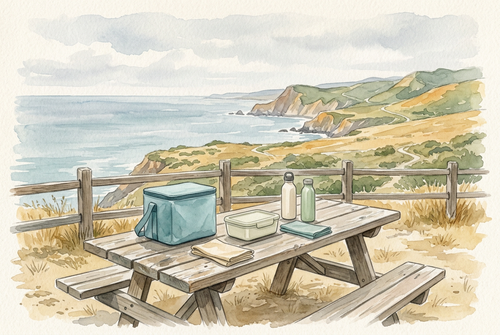
If you bring food, confirm where it is permitted and plan to take your waste with you. A slower lunch is an option, not another standard the day must meet.
Plan the practical costs
Build a simple budget for transport, parking, food, and any optional admission. Check current rates directly. A public outdoor setting does not mean the whole outing has no costs, and an attractive photograph does not establish that a venue is free.
Decide which paid part matters most before adding extras. You can leave a shop, ticketed attraction, or restaurant for another time without treating the visit as unfinished.
No price total is offered here because your starting point, dates, group, and chosen activities would change it.
Check weather and access for your actual plan
Use the current forecast rather than a claim about the city’s usual climate. Bring clothing and practical supplies that fit the conditions, the length of your outing, and your own needs. Do not buy an outfit to satisfy a travel article.
Check the particular route for steps, gradients, surfaces, crossing arrangements, seating, and restroom availability. Ask the site or venue specific questions when mobility, sensory, or other access requirements matter. This guide does not verify a step-free itinerary.
For any beach portion, separately check official beach information, hazards, closures, and local instructions. How Coastal Weather Teaches Flexibility and Preparedness explores changing a plan when conditions do not fit.
If you stay home or shorten the day
You can turn the idea into a small research activity instead: find Santa Barbara on a map, look at an identified architecture image, or sketch a doorway from a library book. This is not a substitute you have to complete before a future trip.
If you are already out and someone has had enough, leave out the next stop. Rest, cost, and changing circumstances are legitimate parts of planning, not interruptions to a more stylish day.
One useful next step
Choose downtown or the waterfront, then confirm one place you would like to spend time and the practical details needed to get there. Leave some space around it.
Style can be a way of paying attention, not a list of things to wear or buy. A thoughtful visit leaves room for your own interests and for the people who use the place every day.
Place information was researched through official City of Santa Barbara search extracts, linked above. Check those sources and individual venues for current details. The featured watercolor is an imagined Santa Barbara-inspired streetscape, not a photograph, route map, or depiction of a particular business.