
Watching coastal wildlife can invite us to slow down and think about how we respond to change. A bird at the water's edge or an animal resting on the shore may prompt a question, a sketch, or a moment of reflection. These are our interpretations, not lessons animals are trying to teach, and a thoughtful visit starts with giving them space.
Notice what is happening before making it a metaphor
Choose an open, designated viewpoint or route suited to your group. Watch from a respectful distance and describe what you actually see: a bird walking, an animal resting, or a movement near the water. If you don't know why it is happening, keep it as a question rather than assigning a human motive.
Let changing conditions prompt flexible plans
The same stretch of coast can look different on another visit. Check weather, tides, access, and posted guidance before setting out, and be willing to change your route or postpone. The personal reflection is simple: preparation and flexibility can work together. You don't need to keep going to prove your resilience.
Make room for patient observation
A worthwhile outing doesn't depend on seeing a particular species or a dramatic encounter. Use binoculars or a camera's zoom rather than moving closer, and avoid blocking animals' routes or resting places. Follow local wildlife-viewing guidance and retreat if your presence appears to disturb an animal. Quiet observation can be enough.
Think about support without assuming every animal behaves alike
Seeing animals near one another may remind you of your own community, but proximity alone doesn't tell you why they are together. Ask a knowledgeable guide or consult a trusted wildlife education source if you want to understand a behavior. For your own reflection, consider who you can ask for help and how you support the people around you.
Keep survival separate from a motivational slogan
Wildlife faces real pressures, and watching it isn't proof that determination solves every difficulty. Rather than turning an animal into a symbol of never giving up, think about practical choices within your control: resting, changing plans, learning more, or seeking support when you need it.
Try a gentle noticing activity
If you're visiting with family, invite everyone to describe one movement, sound, or pattern they noticed. For an optional companion, explore our Coastal Nature Scavenger Hunt (Digital Download). Adapt it to your designated route, observe rather than collect, and skip anything that would require approaching wildlife or surf. There's no need to find every item.
Turn appreciation into considerate actions
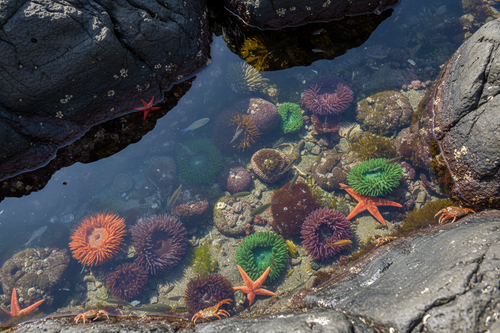
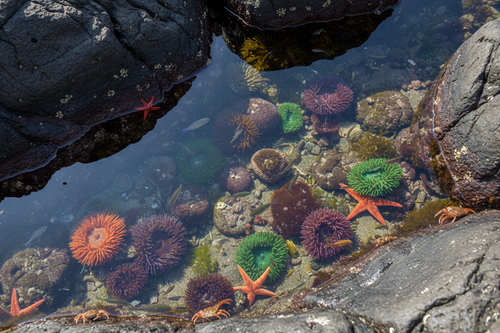
Never feed, chase, touch, or try to attract wildlife. Leave shells, plants, driftwood, and tide-pool creatures where they belong, secure your belongings, and take your litter home. Respect closures and stay well back from surf and cliff edges. If you see an injured or stranded animal, contact the appropriate local wildlife-response service rather than attempting to move it.
Coastal wildlife doesn't need to provide an answer to every human challenge. Paying attention, asking thoughtful questions, and leaving animals undisturbed can make the visit meaningful on their own.