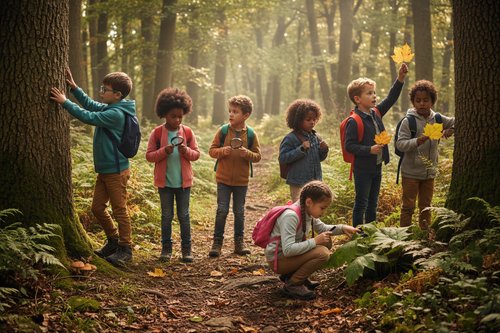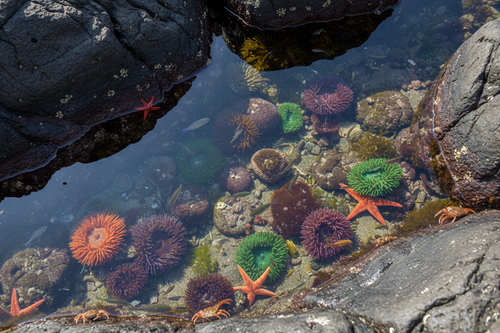

A nature adventure doesn't have to mean a long road trip or a challenging hike. A neighborhood walk, a few minutes in the garden, or a quiet visit to the coast can give children room to notice, ask questions, and try something new.
Confidence isn't a guaranteed outcome of a day outdoors. But small, manageable experiences can give children chances to make choices and discover what they can do, with a trusted adult close by.
Start with curiosity, not a checklist
Let one interesting detail set the pace: a moving leaf, a bird's call, or the pattern of shadows on a path. Ask, “What do you notice?” You don't need to know every plant name to share the pleasure of looking closely.
Try drawing what you saw afterward. A few scribbles or a conversation can be enough; the outing doesn't need to become a formal lesson.
Offer small, real choices
Choose two suitable options and let your child help decide: which familiar path to take, where to pause for a snack, or which color to look for next. For an older child, a manageable task might be helping read a trail sign or checking a packing list with you.
Keep responsibility matched to your child's abilities. Independence here means taking part with support, not exploring alone.
For a two-year-old: keep it simple
Think playful discovery rather than schoolwork. On a short outing, you might count three birds together, name the colors of flowers without picking them, listen for two different sounds, or watch how water moves from a secure viewing spot.
Follow your toddler's interest and stop when they need a break. Repeating a favorite walk is worthwhile; familiar places can offer something new to notice each time.
Make room for trying again
A child might hesitate on an uneven path or struggle to put on a jacket. Offer help without turning the moment into a test. “Would you like my hand?” leaves room for both support and choice.
Notice effort rather than demanding bravery. Turning back, resting, or choosing an easier route can be a good decision, too.
Keep the adventure within safe limits
Choose outings suited to your child's age and abilities, check conditions and local guidance, and stay together. Keep toddlers closely supervised, especially near water, roads, steep edges, and wildlife. Don't let children taste unfamiliar plants or handle small objects they could put in their mouths.
Watch wildlife from a distance and leave natural habitats undisturbed. A garden or local park is a perfectly good place to begin when a beach outing isn't practical.
Bring a little of the experience home
Draw a favorite moment, tell someone what you noticed, or look up a question together. You could start a simple nature notebook with a date, a drawing, and a few words dictated by your child.
For more coastal inspiration, read Coastal Learning Activities for Kids on the California Coast. For a quiet creative activity closer to home, explore Oh Hello, Plants: Creative Ways to Notice the Green Around You.
The goal isn't to raise a fearless explorer in one afternoon. It's to make room for curiosity, connection, and small discoveries wherever you happen to live.