
Spring can be a rewarding time for coastal hikes, with changing light, seasonal flowers, and plenty to notice along the shoreline. It isn't automatically the best season for every trail, though. Weather, access, and wildlife activity vary by place and year, so let local conditions guide your plans.
Look for seasonal color without expecting a guaranteed bloom
Wildflower displays depend on the location and recent conditions. Check updates from the park or land manager before traveling specifically to see flowers. Stay on designated paths, leave plants untouched, and take photographs without stepping into vegetation.
Prepare for changing coastal weather
A sunny forecast doesn't rule out wind, fog, rain, or a cooler stretch of exposed coastline. Check the local forecast and trail notices before departure. Bring suitable layers, rain protection, drinking water, sun protection, and footwear appropriate to the route.
Choose a trail for your group
Review distance, terrain, elevation, accessibility, and facilities rather than choosing by the view alone. Allow time for breaks and a return journey, and keep a shorter alternative in mind. If you're hiking with children, let their needs help set the pace.
Make wildlife watching an opportunity, not a promise
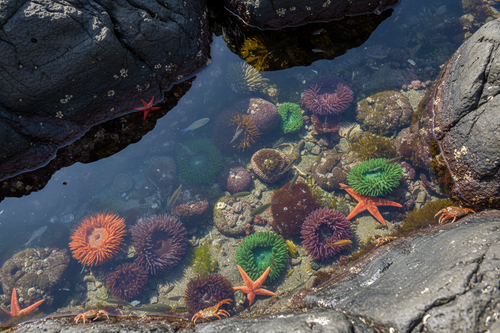
Birds and marine wildlife may be part of your visit, but sightings aren't guaranteed. Use binoculars or a camera's zoom and follow local viewing guidance. Never feed, approach, or disturb animals, and respect any seasonal closures or protected areas.
Check access and visitor information
Spring holidays, weekends, and popular flower displays can bring busy trails and limited parking. Check opening hours, reservations, road access, and current closures. Use designated parking and don't block gates or roadways if your preferred starting point is full.
Enjoy the view from an appropriate place
Use maintained paths and designated viewpoints rather than approaching cliff edges for a photograph. Stay well back from surf and follow posted warnings. If your route includes beach access, check local tide and coastal conditions and avoid committing to a route that may be cut off.
Leave the trail as you found it
Carry out your belongings and litter, leave natural objects in place, and follow the land manager's guidance. A short walk with time to notice the landscape can be just as worthwhile as a longer hike.
Inspired by the flowers? Grow something at home
Leave trailside flowers where they belong and turn that inspiration into a planting project at home. Explore these flower seeds and grow kits:
- Wildflower Seed Mix for Bees and Pollinators
- Washington Lupine Wildflower Grow Kit
- Oregon Black Eyed Susan Wildflower Grow Kit
- Texas Bluebonnet Grow Kit
Before buying or planting, check the species, planting instructions, and suitability for your location. A state-inspired name doesn't mean a flower is native to every area in that state. Plant only where you have permission, not along hiking trails or in wild habitats.
Choose spring for the experience it offers in your destination, not a promise of perfect conditions. Thoughtful preparation leaves more room to enjoy whatever the day brings.